Why operational flexibility is critical in breakbulk logistics
Author: Christopher Whetham, Key Account Manager - Cargo
Port congestion is often discussed through the lens of container shipping, but for breakbulk operators the challenge looks slightly different.
In breakbulk and project cargo, congestion is less about queues of vessels waiting offshore and more about co-ordination. The ability to move specialist cargo efficiently depends on berth availability, operational planning, stakeholder communication and the flexibility to adapt when schedules change.
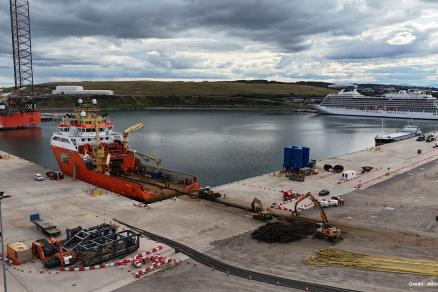
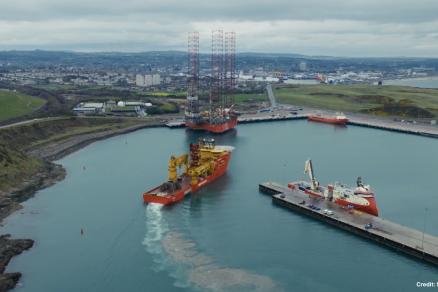
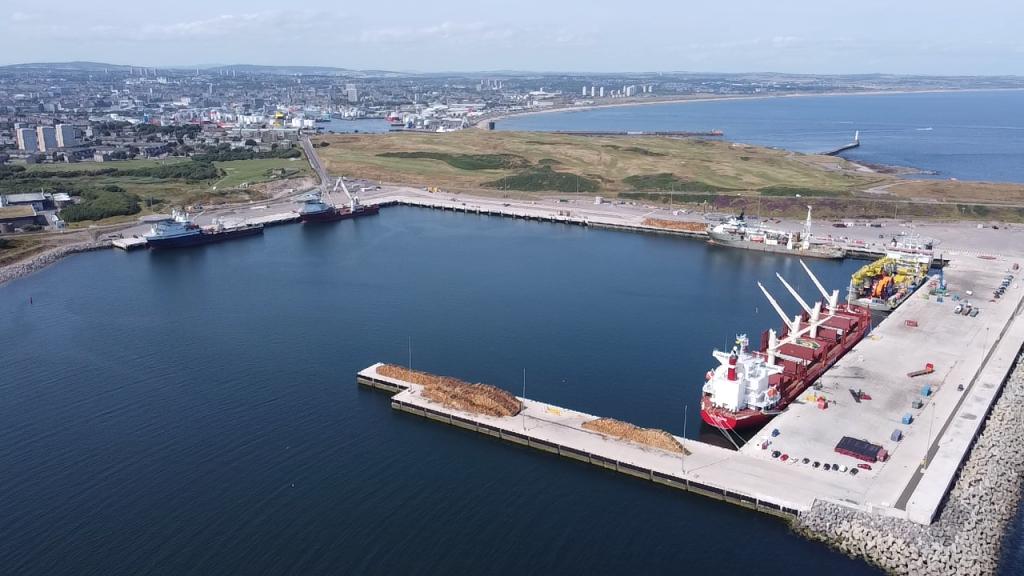
At Port of Aberdeen, managing that flow starts with capacity and collaboration. Across both North Harbour and South Harbour, the port has approximately 7.6km of available quayside berthing, much of which operates as common-user infrastructure meaning our teams can accommodate simultaneous cargo operations across multiple locations within the estate with no disruptions.
For breakbulk cargo specifically, no two operations are exactly the same. Unlike container operations, breakbulk cargo often involves specialist handling requirements that can change from project to project. Cargo can be oversized, high-value, unusually shaped or require specific lifting arrangements, storage conditions or onward transport planning.
Vessel schedules can shift, project timelines can move and cargo requirements often evolve at short notice. Maintaining efficiency therefore relies on close communication between marine and operations teams, vessel owners, logistics suppliers, and forwarders. Daily collaboration across those groups allows berth allocation and quayside operations to be managed proactively, helping avoid pinch points before they develop.
For heavy lift or out-of-gauge cargo, early engagement with our team and supply chain partners allows cargo movements and laydown requirements to be planned more effectively. Early discussions around cargo specifications, lifting operations and anticipated schedule changes help ensure infrastructure is ready and support available – all with the aim of eliminating the delays that come from resolving those details on the quayside.
This approach is reflected in customer experience on the ground, and Raymond Bellringer, General Manager, Global Port Services Shipping recently highlighted the responsiveness of the port team. “There’s never really anything that's too difficult for the port to handle, they always work with us to get the best plan of action.”
The ports that operators return to will be the ones whose teams can safely respond to change without passing the disruption down the logistics chain.
—
Our infrastructure and location is your strategic advantage, discover more about our breakbulk capabilities.