Learning from live incidents: Lowlands Diamond and Solong
When disaster strikes at sea, finding a Port of Safe Refuge can quickly become a priority.
In January 2025, the Lowlands Diamond cargo ship was sailing from Varberg, Sweden to the United States when a fire was detected in one of her cargo holds.
After detailed discussions and planning with stakeholders, including the Secretary of State’s Representative for Maritime Salvage and Intervention (SOSREP), Maritime and Coastguard Agency and emergency services, Aberdeen was designated as the Port of Safe Refuge to bring the vessel alongside and manage the incident.
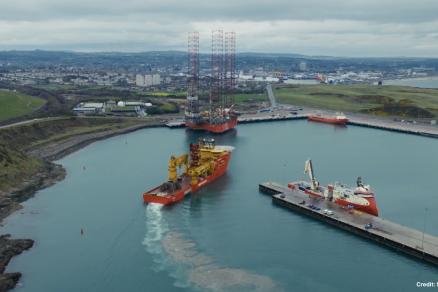
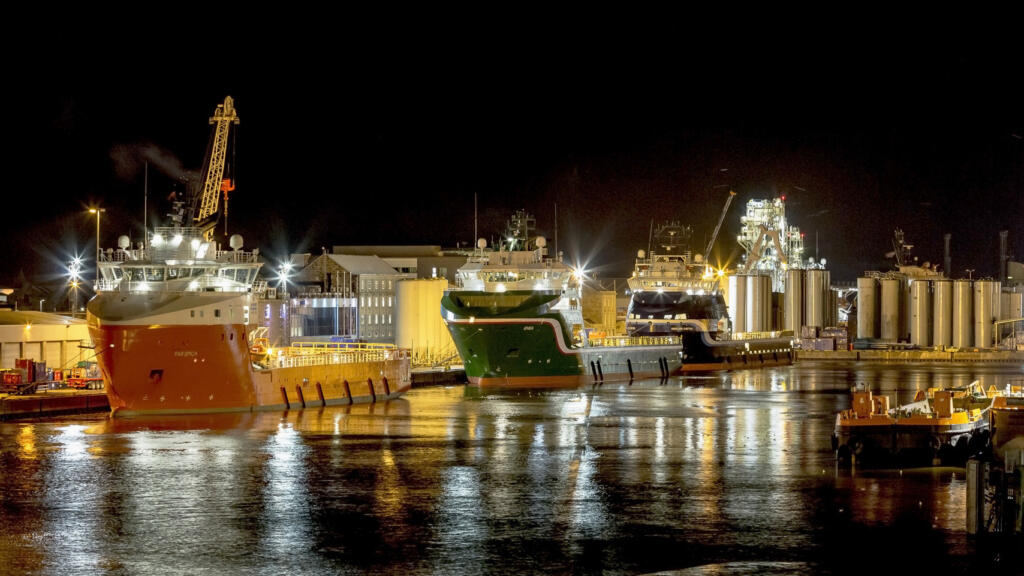
Despite being around 100 miles away, Port of Aberdeen’s South Harbour was chosen for its significant quayside space, ease of access and specialist infrastructure, including a pressure-fed freshwater tank with its own hydrants to help protect the ship, the crew and her cargo.
Over three days, 58 fire appliances – each crewed by six firefighters – supported operations while the wood pulp cargo in the hold was inspected, handled and offloaded, most of which was saved. The ship was cleared for onwards transit at the end of February and resumed her passage.
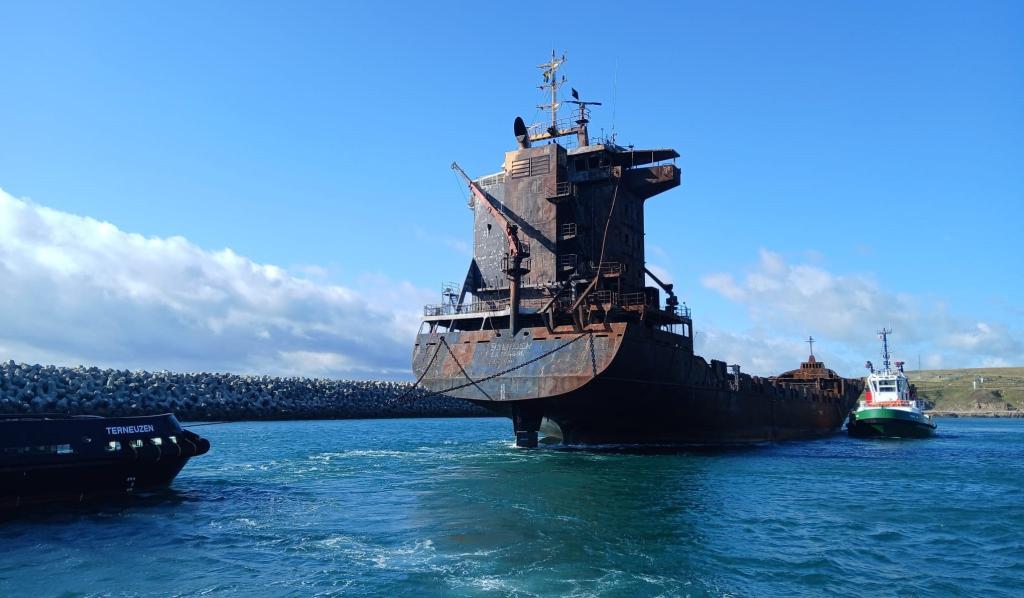
In March, Port of Aberdeen was again designated as the Port of Safe Refuge, this time for the damaged Portuguese-flagged cargo vessel Solong – pictured here – following a serious collision at a designated anchorage position outside the Humber Estuary.
With just three days’ notice, teams across the port prepared for Solong’s arrival. A specialist shore tension system was shipped overnight from the Netherlands and rigged quayside in time for the vessel’s arrival, as the fire-damaged ship had no mooring capability of its own.
Detailed plans were made to manage safety and environmental hazards and risks; operational, response and emergency procedures, including offloading operations, and the handling of damaged and dangerous cargos and pilotage onto a vessel with significant fire damage all being brought into effect.
The ship spent several weeks alongside in Aberdeen South Harbour while specialists carried out their inspections and remediation, providing a real-world test of our emergency response, vessel traffic management and stakeholder coordination.
The back-to-back handling of these two casualty vessels has helped cement Port of Aberdeen’s growing reputation as a Port of Safe Refuge and trusted partner for government in times of emergency.
Internally, these incidents have informed updated emergency response plans and additional training, ensuring we can respond quickly, safely and efficiently. This learning now feeds directly into exercises, briefings and joint working with our Port Safety Group, strengthening resilience for all port users.
This article was originally published in Port of Aberdeen's latest annual review.