Sea-Cargo: A long-term breakbulk partner
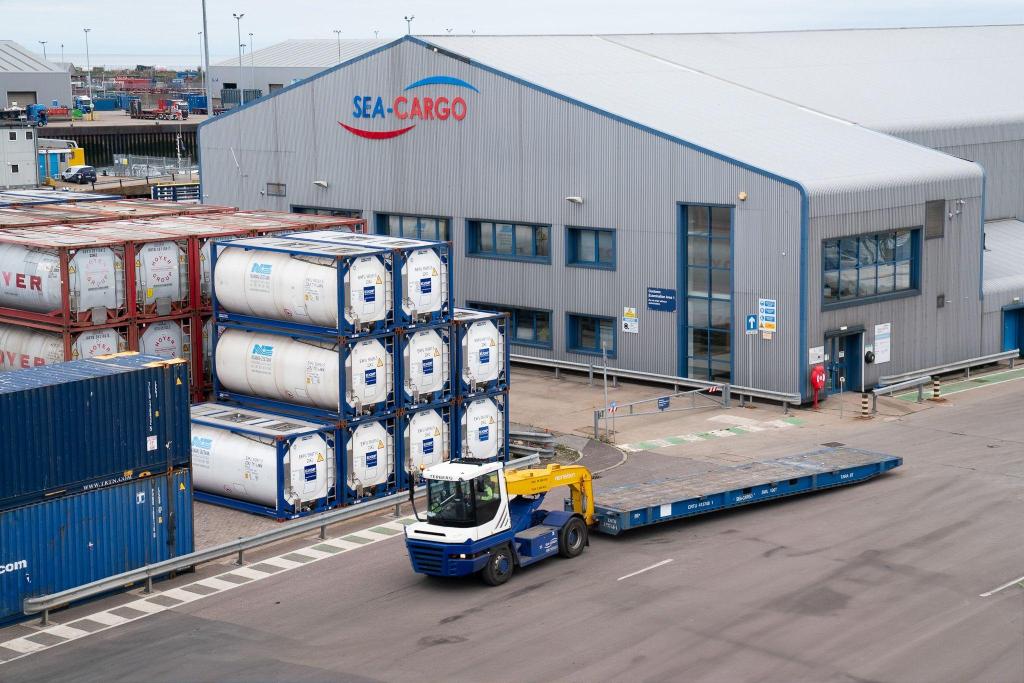
From heavy lift cargo to high-volume bulk shipments, successful breakbulk operations rely on ports that can adapt quickly, create space and keep cargo moving efficiently.
At Port of Aberdeen, that flexibility is supported not only by infrastructure and quayside capacity, but by the wider network of operators, stevedores and supply chain partners working across the port every day.
Sea-Cargo has operated from the port since 2006 and today works across both North and South Harbour handling a wide range of cargoes. We spoke to Andrew Dolman, General Manager at Sea-Cargo, about why Aberdeen continues to support new opportunities in breakbulk cargo handling.
Why does Port of Aberdeen work well for breakbulk cargo?
“The original driver for us was Aberdeen’s strength in oil and gas, which helped establish our service to Norway in the first place. But over time, the port’s location and infrastructure has allowed us to expand far beyond that.
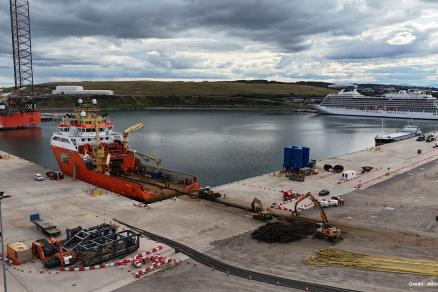
“The quaysides, warehousing and ability to handle heavy-lift and breakbulk cargo are all key strengths. That combination has allowed us to build up a wider stevedoring business handling a broad mix of industrial and commercial cargo.”
What types of cargo move through the port?
“We handle a significant variety of cargo through Aberdeen. Fish feed is one of the biggest, with over 80,000 tonnes a year moving through the port, much of it destined for Norway, Shetland and Orkney.
“We also handle around 30,000 tonnes of road salt each winter alongside a range of breakbulk and project-type cargo depending on demand.”
How important are flexibility and infrastructure in day-to-day operations?
“The port’s equipment is a key enabler, particularly the rail-mounted crane with bulk grab, which is essential for handling cargo like road salt efficiently.
“Having access to multiple quaysides across the port also makes a real difference. It reduces congestion and means there is usually flexibility to find workable solutions, even when operations are busy.
“That ability to adapt quickly is important in a port environment. Opportunities can come from either side, and they’re typically worked through jointly to find the best commercial and operational setup.”
Has South Harbour created new opportunities for breakbulk cargo?
“A strong example is the wood chip export work to Denmark. Following storm damage and tree clearance, large volumes of timber became available and needed a viable export route.
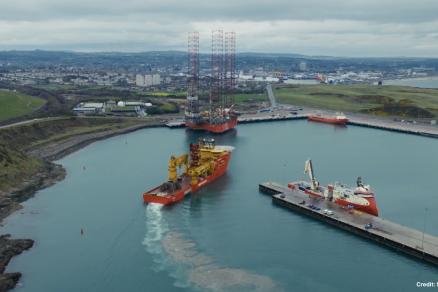
“South Harbour provided the space and flexibility that North Harbour couldn’t accommodate, including extended lay-down areas and access for larger vessels.
“That work wouldn’t really have been possible without the additional space available in South Harbour. It also only worked because everybody involved was flexible commercially, as it was a low-value but high-volume cargo.”
Have there been other examples of Aberdeen supporting more unusual operations?
“There have been a number of non-standard operations. For example, we’ve been involved in discharging containers from the vessel Solong following its collision with a fuel tanker and subsequent arrival in Aberdeen.
“We’ve also handled vessels following incidents such as cargo hold fires. That kind of work demonstrates the wider expertise and supply chain capability that exists around Aberdeen, much of which has been shaped through years of oil and gas activity.”
How important is collaboration across the port?
“It’s fundamental really. We’ve been here a long time and there’s a clear alignment between the port and the businesses operating within it.
“You don’t always see eye to eye on everything, but everybody is ultimately trying to do the same thing - bring more business into Aberdeen and make the port work as effectively as possible.”
Sea-Cargo’s experience reflects the role that infrastructure, operational flexibility and supply chain collaboration all play in supporting breakbulk activity at Port of Aberdeen.
From bulk commodities and project cargo through to more unusual vessel operations, the combination of available space, adaptable infrastructure and experienced operators continues to create opportunities across the port.
—
Discover more about our breakbulk capabilities.